
Which is Better? DIY vs OTC Mouthwash: Expert Dentist Guide

November 18, 2025
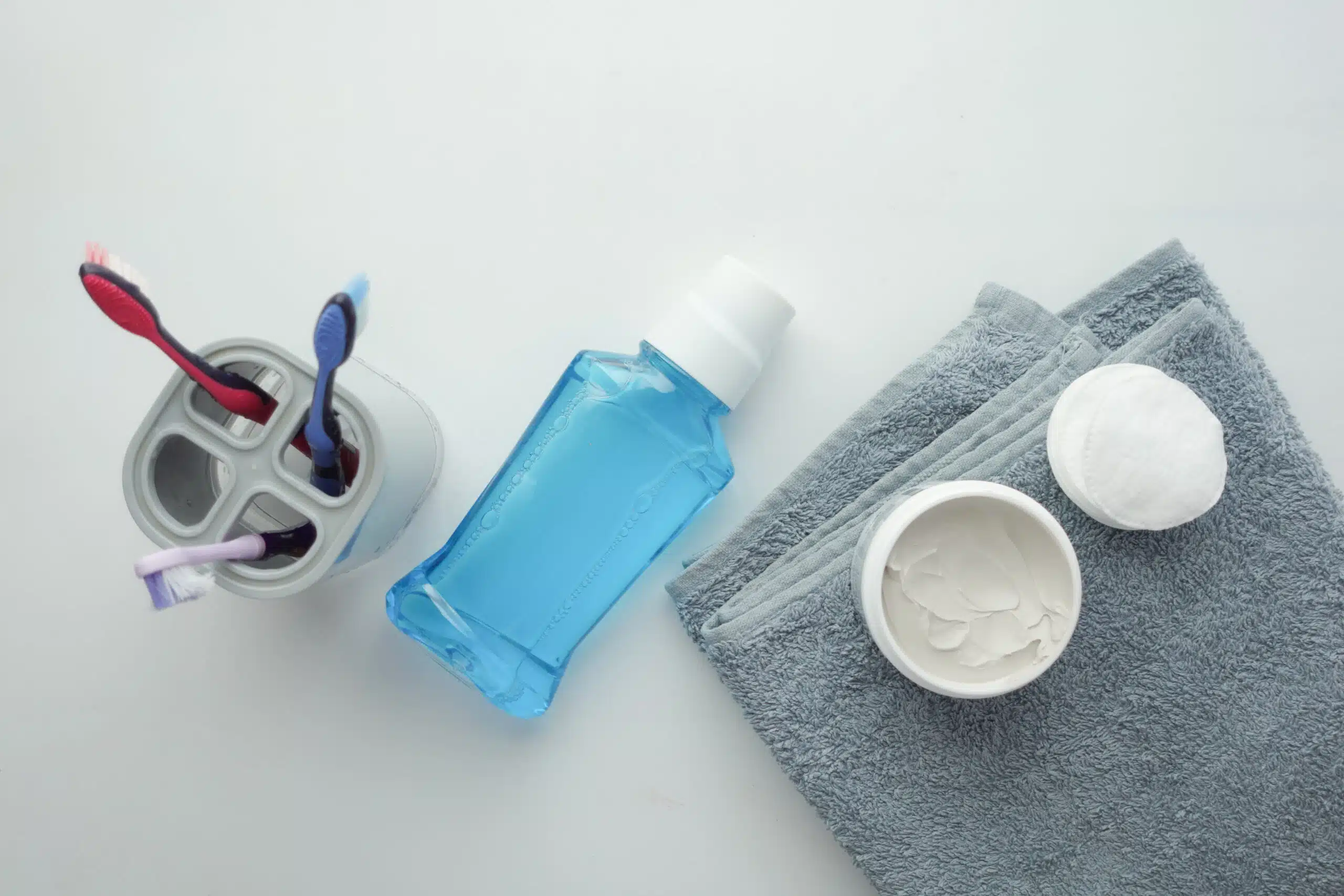
Featured image for “Which is Better? DIY vs OTC Mouthwash: Expert Dentist Guide”

You stand in the drugstore aisle, staring at rows of colorful bottles promising fresh breath and healthy gums. Then you scroll through your social media feed and see someone swearing by their homemade mouthwash recipe. So which one actually works better?

This is a question that comes up often at dental offices, and the answer might surprise you. Let’s break down what you need to know about store-bought and homemade mouthwash so you can make the right choice for your oral health.

Understanding Store-Bought Mouthwash

Over-the-counter mouthwash has been tested in labs and checked by the FDA. These products contain specific amounts of active ingredients that fight bacteria, reduce plaque, and freshen breath. Most dentist in Syracuse recommend brands that carry the American Dental Association (ADA) Seal of Acceptance, which means they’ve proven their claims through scientific testing.

Common ingredients in OTC mouthwash include:

Fluoride helps strengthen tooth enamel and prevents cavities. This is especially important if you’re prone to decay or drink a lot of acidic beverages.

Cetylpyridinium chloride kills bacteria that cause bad breath and gum disease. You’ll find this in many antibacterial rinses.

Essential oils like eucalyptol and menthol reduce plaque and gingivitis. Research published by the National Institutes of Health shows these can be quite effective when used regularly.

Chlorhexidine is a prescription-strength ingredient that fights serious gum infections. Your dentist near me might prescribe this after dental surgery or for advanced gum disease.

The Appeal of DIY Mouthwash

Homemade mouthwash has gained popularity for good reasons. People like knowing exactly what goes into their products, and DIY versions are often cheaper. Common ingredients include salt, baking soda, hydrogen peroxide, and essential oils.

A basic saltwater rinse can reduce inflammation and help heal minor mouth injuries. Baking soda neutralizes acids that damage teeth. These simple solutions work well for basic oral hygiene.

However, DIY mouthwash has real limits. You can’t measure ingredient strength as precisely at home, which means results vary. There’s also no scientific testing to prove these mixtures work as well as commercial products for specific dental problems.

Comparing Effectiveness

When a dentist in Syracuse evaluates mouthwash, they look at proven results. Store-bought products with the ADA seal have gone through years of research and testing. They deliver consistent results because each bottle contains exact amounts of active ingredients.

DIY mouthwash can help with basic needs like freshening breath or soothing sore gums. But it won’t provide the same level of cavity protection or bacteria control as products designed specifically for those purposes.

Think of it this way: a saltwater rinse is like using soap and water to clean a wound, while medicated mouthwash is like using an antibiotic ointment. Both have their place, but one is clearly better for serious issues.

Safety Considerations

Store-bought mouthwash comes with clear instructions and warnings. You know how much to use and what to avoid. The Centers for Disease Control and Prevention (CDC) provides guidelines on safe oral care products.

With DIY versions, safety becomes your responsibility. Using too much hydrogen peroxide can irritate your gums. Some essential oils cause allergic reactions or interact with medications. Without proper guidance, you might do more harm than good.

Children are especially at risk with homemade rinses. They might swallow too much or have bad reactions to strong ingredients. Commercial products designed for kids have safety measures built in.

Cost and Convenience

DIY mouthwash wins on price. A bottle of hydrogen peroxide and some baking soda cost less than premium mouthwash. But you need to mix it yourself, store it properly, and make new batches regularly.

Store-bought options are ready to use and last longer on the shelf. You also get variety for specific needs, whether that’s whitening, sensitivity, or dry mouth relief.

Making the Right Choice for Your Needs

Your oral health situation should guide your decision. If you have healthy teeth and gums and just want fresh breath, a simple DIY rinse might work fine. But if you’re dealing with cavities, gum disease, or other dental issues, stick with products your dentist Syracuse recommends.

Some people use both. They might rinse with saltwater after meals and use fluoride mouthwash before bed. This combination approach can work well, but talk to your dental provider first.

Common FAQs: DIY vs OTC Mouthwash

1. Can homemade mouthwash fight cavities as well as store-bought versions? 

No. Only products containing fluoride at specific concentrations can truly fight cavities. Most DIY recipes lack this protective ingredient.

2. Is it safe to use hydrogen peroxide as mouthwash every day? 

Diluted hydrogen peroxide can be used occasionally, but daily use may irritate your gums and damage tooth enamel. Stick to a 1-3% solution if you use it at all.

3. Do essential oils in DIY mouthwash kill bacteria? 

Some essential oils have antibacterial properties, but they’re not as effective or reliable as tested commercial formulations. They also carry allergy risks.

4. How long does homemade mouthwash last? 

Most DIY mouthwash lasts only a few days to a week. Without preservatives, bacteria can grow in the mixture.

5. Can kids use DIY mouthwash? 

It’s better to use products specifically made for children. They’re formulated to be safe if swallowed and contain appropriate ingredient levels.

6. Will switching from store-bought to DIY mouthwash hurt my oral health? 

If you have existing dental problems, switching to DIY versions might reduce your protection. People with healthy mouths may not notice much difference.

7. Does more expensive mouthwash work better? 

Not always. Look for the ADA seal rather than price. Many affordable brands work just as well as premium options.

Conclusion

Both DIY and store-bought mouthwash have their place in oral care. Commercial products offer proven results, consistent quality, and specific benefits backed by research. Homemade versions provide a natural, budget-friendly option for basic needs.

The best choice depends on your dental health, budget, and goals. If you’re unsure which option fits your situation, schedule a consultation with a dentist near me. They can assess your oral health and recommend products that address your specific needs. Don’t guess when it comes to your dental care. Contact a local dental office to get personalized advice. Your smile deserves the protection that comes from making informed choices based on expert guidance.


Share:
November 18, 2025

You stand in the drugstore aisle, staring at rows of colorful bottles promising fresh breath and healthy gums. Then you scroll through your social media feed and see someone swearing by their homemade mouthwash recipe. So which one actually works better?

This is a question that comes up often at dental offices, and the answer might surprise you. Let’s break down what you need to know about store-bought and homemade mouthwash so you can make the right choice for your oral health.

Understanding Store-Bought Mouthwash

Over-the-counter mouthwash has been tested in labs and checked by the FDA. These products contain specific amounts of active ingredients that fight bacteria, reduce plaque, and freshen breath. Most dentist in Syracuse recommend brands that carry the American Dental Association (ADA) Seal of Acceptance, which means they’ve proven their claims through scientific testing.

Common ingredients in OTC mouthwash include:

Fluoride helps strengthen tooth enamel and prevents cavities. This is especially important if you’re prone to decay or drink a lot of acidic beverages.

Cetylpyridinium chloride kills bacteria that cause bad breath and gum disease. You’ll find this in many antibacterial rinses.

Essential oils like eucalyptol and menthol reduce plaque and gingivitis. Research published by the National Institutes of Health shows these can be quite effective when used regularly.

Chlorhexidine is a prescription-strength ingredient that fights serious gum infections. Your dentist near me might prescribe this after dental surgery or for advanced gum disease.

The Appeal of DIY Mouthwash

Homemade mouthwash has gained popularity for good reasons. People like knowing exactly what goes into their products, and DIY versions are often cheaper. Common ingredients include salt, baking soda, hydrogen peroxide, and essential oils.

A basic saltwater rinse can reduce inflammation and help heal minor mouth injuries. Baking soda neutralizes acids that damage teeth. These simple solutions work well for basic oral hygiene.

However, DIY mouthwash has real limits. You can’t measure ingredient strength as precisely at home, which means results vary. There’s also no scientific testing to prove these mixtures work as well as commercial products for specific dental problems.

Comparing Effectiveness

When a dentist in Syracuse evaluates mouthwash, they look at proven results. Store-bought products with the ADA seal have gone through years of research and testing. They deliver consistent results because each bottle contains exact amounts of active ingredients.

DIY mouthwash can help with basic needs like freshening breath or soothing sore gums. But it won’t provide the same level of cavity protection or bacteria control as products designed specifically for those purposes.

Think of it this way: a saltwater rinse is like using soap and water to clean a wound, while medicated mouthwash is like using an antibiotic ointment. Both have their place, but one is clearly better for serious issues.

Safety Considerations

Store-bought mouthwash comes with clear instructions and warnings. You know how much to use and what to avoid. The Centers for Disease Control and Prevention (CDC) provides guidelines on safe oral care products.

With DIY versions, safety becomes your responsibility. Using too much hydrogen peroxide can irritate your gums. Some essential oils cause allergic reactions or interact with medications. Without proper guidance, you might do more harm than good.

Children are especially at risk with homemade rinses. They might swallow too much or have bad reactions to strong ingredients. Commercial products designed for kids have safety measures built in.

Cost and Convenience

DIY mouthwash wins on price. A bottle of hydrogen peroxide and some baking soda cost less than premium mouthwash. But you need to mix it yourself, store it properly, and make new batches regularly.

Store-bought options are ready to use and last longer on the shelf. You also get variety for specific needs, whether that’s whitening, sensitivity, or dry mouth relief.

Making the Right Choice for Your Needs

Your oral health situation should guide your decision. If you have healthy teeth and gums and just want fresh breath, a simple DIY rinse might work fine. But if you’re dealing with cavities, gum disease, or other dental issues, stick with products your dentist Syracuse recommends.

Some people use both. They might rinse with saltwater after meals and use fluoride mouthwash before bed. This combination approach can work well, but talk to your dental provider first.

Common FAQs: DIY vs OTC Mouthwash

1. Can homemade mouthwash fight cavities as well as store-bought versions? 

No. Only products containing fluoride at specific concentrations can truly fight cavities. Most DIY recipes lack this protective ingredient.

2. Is it safe to use hydrogen peroxide as mouthwash every day? 

Diluted hydrogen peroxide can be used occasionally, but daily use may irritate your gums and damage tooth enamel. Stick to a 1-3% solution if you use it at all.

3. Do essential oils in DIY mouthwash kill bacteria? 

Some essential oils have antibacterial properties, but they’re not as effective or reliable as tested commercial formulations. They also carry allergy risks.

4. How long does homemade mouthwash last? 

Most DIY mouthwash lasts only a few days to a week. Without preservatives, bacteria can grow in the mixture.

5. Can kids use DIY mouthwash? 

It’s better to use products specifically made for children. They’re formulated to be safe if swallowed and contain appropriate ingredient levels.

6. Will switching from store-bought to DIY mouthwash hurt my oral health? 

If you have existing dental problems, switching to DIY versions might reduce your protection. People with healthy mouths may not notice much difference.

7. Does more expensive mouthwash work better? 

Not always. Look for the ADA seal rather than price. Many affordable brands work just as well as premium options.

Conclusion

Both DIY and store-bought mouthwash have their place in oral care. Commercial products offer proven results, consistent quality, and specific benefits backed by research. Homemade versions provide a natural, budget-friendly option for basic needs.

The best choice depends on your dental health, budget, and goals. If you’re unsure which option fits your situation, schedule a consultation with a dentist near me. They can assess your oral health and recommend products that address your specific needs. Don’t guess when it comes to your dental care. Contact a local dental office to get personalized advice. Your smile deserves the protection that comes from making informed choices based on expert guidance.


Share: