315-422-0894


A Guide for Parents Who Want to Stay Ahead of Their Child’s Dental Health
Most parents wait until something hurts before calling a dentist. That is completely understandable. Life is busy, and dental visits can feel like one more thing on a long list. But here is the truth: waiting for pain to show up is one of the most common reasons kids end up with bigger dental problems later on.
Observation visits, often called preventive or routine check-up visits, are scheduled appointments where a dentist checks your child’s teeth, gums, and jaw development before any problem gets a chance to grow. If you have been searching for a dentist syracuse families trust for consistent, honest care, this type of visit is exactly where good dental health begins.
What Happens During an Observation Visit?
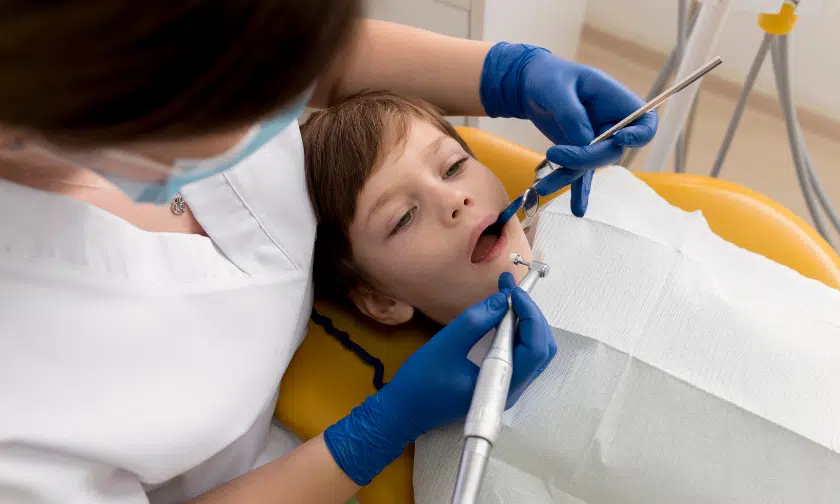
An observation visit is not complicated. Your child sits in the chair, the dentist takes a close look, and you get a clear picture of where things stand. Here is what typically happens:
- The dentist checks for early signs of cavities
- Gum health is reviewed
- Jaw and bite alignment is noted
- Teeth spacing and growth patterns are observed
- X-rays may be taken if needed (age-appropriate and safe)
- The child gets a gentle cleaning
That is it. No drama, no pain in most cases, and no surprises. The whole point is to catch small issues while they are still small.
Why Early Visits Matter More Than You Think
Children’s teeth change fast. Between ages 2 and 12, kids lose baby teeth, grow permanent ones, and their jaws shift to make room for everything. A lot can go wrong quietly during this time.
Cavities in baby teeth are not harmless just because those teeth fall out eventually. An infected baby tooth can affect the permanent tooth forming underneath it. Gum issues that start early can carry into adulthood. A small misalignment caught at age 7 is far easier to correct than one discovered at 14.
Routine observation visits give your dentist a timeline. They see your child’s mouth over months and years, which means they notice changes that a one-time visit would miss. Families who work with a trusted dentist syracuse area have seen firsthand how catching things early saves both time and money.
The Comfort Factor: Why Starting Early Builds Confidence
A lot of adults who avoid the dentist today had their first dental experience during a painful or scary visit as a child. That fear sticks.
When children come in for simple, no-pressure observation visits from a young age, the dental office stops feeling like a scary place. It becomes familiar. The staff knows their name. They know what to expect. That comfort level makes a real difference when actual treatment is ever needed.
Down Town Dental Syracuse sees this every day. Children who come in regularly are calmer, more cooperative, and more open to honest conversations about their teeth. That is a habit that follows them into adult life.
Local Families: What You Should Know About Dental Health in This Area
Families in Syracuse and the surrounding areas, including neighborhoods like North Syracuse, Eastwood, Fairmount, and Camillus, deal with the same challenges many American families face. Busy school schedules, after-school sports, and limited appointment windows make it easy to push dental visits to the back burner.
On top of that, access to consistent dental care varies across different parts of the city. Many families find themselves Googling things like dentist near me late at night after a toothache hits, only to realize they have not been in for a check-up in over a year.
Down Town Dental Syracuse is located right in the heart of Syracuse, New York, and is set up to serve families from across the city and nearby communities. There are many dental clinics in the surrounding areas, and families have choices. What sets a clinic apart is consistency, communication, and genuine care for long-term outcomes, not just quick fixes. That is the standard this practice holds itself to.
Signs Your Child Might Need an Observation Visit Soon
You do not always need to wait for a scheduled reminder. Bring your child in if you notice any of the following:
- They complain about tooth sensitivity to hot or cold
- You notice spots or discoloration on their teeth
- They have trouble chewing or avoid certain foods
- Their baby teeth seem to be falling out unusually early or late
- Permanent teeth are coming in crooked or crowded
- They grind their teeth at night
- Bad breath that does not go away with brushing
How Often Should My Child Come In?
The general recommendation from the American Dental Association is every six months for most children. However, some kids may benefit from more frequent visits depending on their individual risk factors. Your dentist will guide you based on what they observe over time.
Starting visits early, ideally by age one or when the first tooth appears, is the best move. From there, keeping a consistent schedule is what makes the biggest difference. Many parents who are new to the area often look for a reliable dentist syracuse locals have trusted for years, and building that relationship early is always worth it.
Addressing Common Parental Concerns
“My child’s teeth look fine.” Teeth can look fine and still have early decay forming between them or under the surface. Visual checks at home are not enough.
“My child is nervous about going.” That nervousness shrinks with each visit. Observation visits are designed to be low-stress. Starting early is the best way to reduce anxiety.
“Are X-rays safe for kids?” Yes. Dental X-rays for children use very low radiation levels and are only taken when clinically needed.
Frequently Asked Questions
Q: At what age should I first bring my child to the dentist?
A: The first visit should happen around the time the first tooth appears, usually between 6 and 12 months of age.
Q: How long does an observation visit usually take?
A: Most routine visits for young children take between 30 and 45 minutes, including the cleaning and examination.
Q: What if my child refuses to open their mouth?
A: Pediatric-friendly dental teams are trained to handle this. Patience and a calm approach usually work well, especially when visits happen regularly from a young age.
Q: Will my insurance cover observation visits?
A: Most dental insurance plans cover preventive visits at little or no cost. It is worth checking your specific plan before the appointment.
Q: Do baby teeth really need to be treated if they will fall out anyway?
A: Yes. Baby teeth hold space for permanent teeth and affect speech and chewing. Ignoring problems in baby teeth can lead to bigger issues later.
Q: What happens if a problem is found during an observation visit?
A: Your dentist will explain exactly what was found, what the options are, and what happens if you wait. You will never be pressured into immediate treatment without understanding why.
Q: My child has no pain. Do they still need to come in?
A: Absolutely. Most dental issues in children do not hurt until they are already advanced. That is why routine visits matter so much.
Q: How do I prepare my child for their first visit?
A: Keep it simple and positive. Avoid using words like “pain” or “needle.” Tell them the dentist is going to count their teeth and make sure everything looks great.
Conclusion
Taking your child to observation visits is not about being an overprotective parent. It is about giving your child a head start on a lifetime of good health. Small, consistent steps taken early prevent major problems down the road.
If you have been putting this off or searching for a dentist near me to find a reliable place for your family, now is a good time to act. Down Town Dental Syracuse welcomes families from across Syracuse and nearby communities and provides care that is honest, clear, and built around your child’s long-term well-being.
Schedule a consultation with Down Town Dental Syracuse today and take that first simple step toward protecting your child’s smile before a problem ever gets the chance to start.