
4 Surprising Facts About Orthodontics And Teeth You Should Know

February 28, 2023
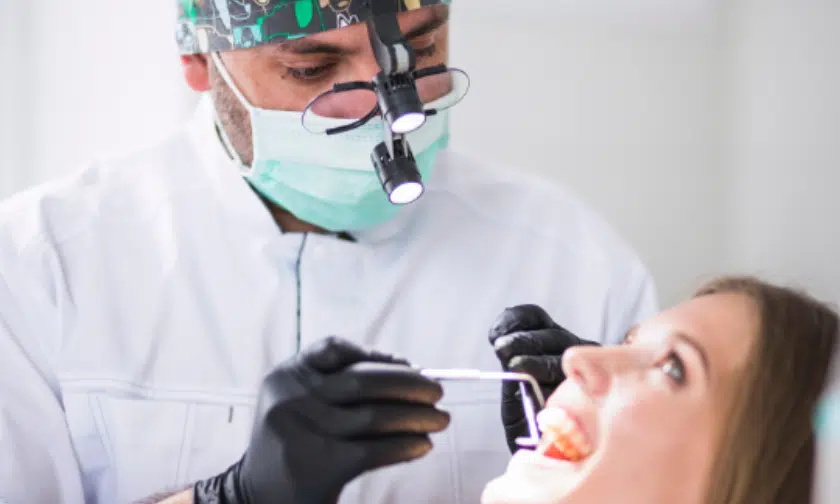
Featured image for “4 Surprising Facts About Orthodontics And Teeth You Should Know”

From the age-old practice of using metal braces to the more modern and discreet aligners, orthodontic treatments have come a long way. But how much do you really know about this branch of dentistry? Here we will uncover four surprising facts about orthodontics and teeth that you may not know!

Introduction to Orthodontics

Orthodontics is a branch of dentistry that specializes in the diagnosis, treatment, and prevention of dental and facial irregularities. The word “orthodontics” comes from the Greek words “orthos”, meaning “straight”, and “dontos”, meaning “teeth”.

Orthodontic treatment can improve the appearance of your teeth and smile, but it can also improve your overall oral health. crowded or crooked teeth can be difficult to clean, which can lead to tooth decay or gum disease. Orthodontic treatment can also help with chewing and speaking problems caused by misaligned teeth.

There are two main types of orthodontic appliances: braces and clear aligners. Braces are metal or ceramic brackets that are glued to your teeth. A wire is then passed through the brackets and tightened over time to gradually move your teeth into their proper positions. Clear aligners are clear plastic trays that fit over your teeth like a mouthguard. They gently move your teeth into place over time.

If you are considering orthodontic treatment, be sure to consult with an experienced orthodontist to find out which type of appliance is right for you.

What Causes Teeth Crowding?

Teeth crowding is one of the common orthodontic problems that many people face. There are a few different things that can cause teeth crowding, and it’s important to be aware of them so you can avoid the problem.

One of the most common causes of teeth crowding is genetics. If your parents or grandparents had crowded teeth, you’re more likely to have them as well. Another cause of teeth crowding is losing baby teeth too early. When this happens, the permanent teeth can come in before there’s enough space for them, leading to crowding.

Bad habits like thumb sucking can also cause teeth crowding. When you suck your thumb, you’re putting pressure on your front teeth which can push them out of alignment. Once your front teeth are out of alignment, it creates a domino effect and the rest of your teeth can become crowded.

Finally, one last cause of teeth crowding is simply having too many teeth. Our mouths are designed to hold a certain number of teeth, and if you have more than that (which is called supernumerary teeth), it can lead to overcrowding.

These are just a few of the things that can cause teeth crowding. It’s important to be aware of them so you can take steps to avoid the problem. If you already have crowded teeth, there are still options available to help straighten them out and give you the smile you deserve!

How Does Orthodontic Treatment Work?

Orthodontic treatment is a process of aligning the teeth and jaws to improve the function and appearance of the smile. It can be done for both adults and children, though it is recommended that children start orthodontic treatment at an early age.

There are two main types of orthodontic appliances: braces and clear aligners. Braces are made up of metal brackets that are glued to the teeth, and connected by a wire. Clear aligners are made of clear plastic and fit snugly over the teeth.

Both types of appliances work by gradually moving the teeth into their correct positions. The movement is controlled by the orthodontist, who will make adjustments to the appliance as needed. Treatment can take anywhere from 6 months to 2 years, depending on the severity of the misalignment.

After treatment is complete, patients will need to wear a retainer to keep their teeth in place. Retainers are usually worn at night but can be worn during the day as well. Wearing a retainer is a lifelong commitment, but it’s worth it to have a beautiful, healthy smile!

Common Myths About Orthodontics

One common myth about orthodontics is that it is only for children and teens. However, this is not the case! In fact, more and more adults are seeking out orthodontic treatment to improve their smile.

Another common myth is that orthodontic treatment is painful. While there may be some discomfort during the initial adjustment period, most patients report little to no pain once they get used to their braces or aligners.

Finally, many people believe that orthodontic treatment is expensive. While the cost of treatment can vary depending on the severity of your case, there are many financing options available to make treatment affordable for everyone.

The Benefits of Straight Teeth

When it comes to teeth, we all want a perfect smile. However, not everyone is born with perfectly straight teeth. This is where orthodontics comes in. Orthodontics is the branch of dentistry that deals with the correction of irregularities in the teeth, jaws, and face.

There are many benefits to having straight teeth. For one, it can boost your confidence and self-esteem. Having straight teeth also makes it easier to keep your mouth clean, as there are no crooked spaces for food and bacteria to build up. This can lead to better overall oral health. Additionally, straight teeth can help you avoid jaw problems down the road.

If you are considering orthodontic treatment, be sure to consult with a qualified orthodontist to discuss your options and find the best course of treatment for you.

Tips To Keep Your Teeth Healthy and Straight

It is no secret that taking care of your teeth is important for your overall health, but did you know that there are specific things you can do to keep your teeth healthy and straight? Here are some tips to help you achieve and maintain optimal oral health:

1. Brush at least twice a day – brushing properly and regularly is one of the best ways to keep your teeth healthy and free of decay;

2. Floss at least once a day – flossing helps remove plaque and bacteria from in between your teeth, where brushing alone cannot reach;

3. Eat a balanced diet – a diet rich in fruits, vegetables, and whole grains helps keep your teeth and gums healthy;

4. Avoid sugary and acidic drinks – sugar promotes tooth decay, while acid can erode tooth enamel;

5. Visit your dentist regularly – having regular checkups and cleanings helps identify problems early on and keeps your mouth healthy.

Conclusion

We hope this article has been informative and provided you with a few new facts about orthodontics and teeth that you may not have known before. Orthodontics is an important part of maintaining healthy teeth, so it’s important to educate yourself on the subject and take the necessary steps to protect your oral health. If you suspect that any of your teeth or gums are in need of attention, then be sure to make an appointment with a professional orthodontist as soon as possible.

Questions to ask when finding an Orthodontist


Share:
February 28, 2023

From the age-old practice of using metal braces to the more modern and discreet aligners, orthodontic treatments have come a long way. But how much do you really know about this branch of dentistry? Here we will uncover four surprising facts about orthodontics and teeth that you may not know!

Introduction to Orthodontics

Orthodontics is a branch of dentistry that specializes in the diagnosis, treatment, and prevention of dental and facial irregularities. The word “orthodontics” comes from the Greek words “orthos”, meaning “straight”, and “dontos”, meaning “teeth”.

Orthodontic treatment can improve the appearance of your teeth and smile, but it can also improve your overall oral health. crowded or crooked teeth can be difficult to clean, which can lead to tooth decay or gum disease. Orthodontic treatment can also help with chewing and speaking problems caused by misaligned teeth.

There are two main types of orthodontic appliances: braces and clear aligners. Braces are metal or ceramic brackets that are glued to your teeth. A wire is then passed through the brackets and tightened over time to gradually move your teeth into their proper positions. Clear aligners are clear plastic trays that fit over your teeth like a mouthguard. They gently move your teeth into place over time.

If you are considering orthodontic treatment, be sure to consult with an experienced orthodontist to find out which type of appliance is right for you.

What Causes Teeth Crowding?

Teeth crowding is one of the common orthodontic problems that many people face. There are a few different things that can cause teeth crowding, and it’s important to be aware of them so you can avoid the problem.

One of the most common causes of teeth crowding is genetics. If your parents or grandparents had crowded teeth, you’re more likely to have them as well. Another cause of teeth crowding is losing baby teeth too early. When this happens, the permanent teeth can come in before there’s enough space for them, leading to crowding.

Bad habits like thumb sucking can also cause teeth crowding. When you suck your thumb, you’re putting pressure on your front teeth which can push them out of alignment. Once your front teeth are out of alignment, it creates a domino effect and the rest of your teeth can become crowded.

Finally, one last cause of teeth crowding is simply having too many teeth. Our mouths are designed to hold a certain number of teeth, and if you have more than that (which is called supernumerary teeth), it can lead to overcrowding.

These are just a few of the things that can cause teeth crowding. It’s important to be aware of them so you can take steps to avoid the problem. If you already have crowded teeth, there are still options available to help straighten them out and give you the smile you deserve!

How Does Orthodontic Treatment Work?

Orthodontic treatment is a process of aligning the teeth and jaws to improve the function and appearance of the smile. It can be done for both adults and children, though it is recommended that children start orthodontic treatment at an early age.

There are two main types of orthodontic appliances: braces and clear aligners. Braces are made up of metal brackets that are glued to the teeth, and connected by a wire. Clear aligners are made of clear plastic and fit snugly over the teeth.

Both types of appliances work by gradually moving the teeth into their correct positions. The movement is controlled by the orthodontist, who will make adjustments to the appliance as needed. Treatment can take anywhere from 6 months to 2 years, depending on the severity of the misalignment.

After treatment is complete, patients will need to wear a retainer to keep their teeth in place. Retainers are usually worn at night but can be worn during the day as well. Wearing a retainer is a lifelong commitment, but it’s worth it to have a beautiful, healthy smile!

Common Myths About Orthodontics

One common myth about orthodontics is that it is only for children and teens. However, this is not the case! In fact, more and more adults are seeking out orthodontic treatment to improve their smile.

Another common myth is that orthodontic treatment is painful. While there may be some discomfort during the initial adjustment period, most patients report little to no pain once they get used to their braces or aligners.

Finally, many people believe that orthodontic treatment is expensive. While the cost of treatment can vary depending on the severity of your case, there are many financing options available to make treatment affordable for everyone.

The Benefits of Straight Teeth

When it comes to teeth, we all want a perfect smile. However, not everyone is born with perfectly straight teeth. This is where orthodontics comes in. Orthodontics is the branch of dentistry that deals with the correction of irregularities in the teeth, jaws, and face.

There are many benefits to having straight teeth. For one, it can boost your confidence and self-esteem. Having straight teeth also makes it easier to keep your mouth clean, as there are no crooked spaces for food and bacteria to build up. This can lead to better overall oral health. Additionally, straight teeth can help you avoid jaw problems down the road.

If you are considering orthodontic treatment, be sure to consult with a qualified orthodontist to discuss your options and find the best course of treatment for you.

Tips To Keep Your Teeth Healthy and Straight

It is no secret that taking care of your teeth is important for your overall health, but did you know that there are specific things you can do to keep your teeth healthy and straight? Here are some tips to help you achieve and maintain optimal oral health:

1. Brush at least twice a day – brushing properly and regularly is one of the best ways to keep your teeth healthy and free of decay;

2. Floss at least once a day – flossing helps remove plaque and bacteria from in between your teeth, where brushing alone cannot reach;

3. Eat a balanced diet – a diet rich in fruits, vegetables, and whole grains helps keep your teeth and gums healthy;

4. Avoid sugary and acidic drinks – sugar promotes tooth decay, while acid can erode tooth enamel;

5. Visit your dentist regularly – having regular checkups and cleanings helps identify problems early on and keeps your mouth healthy.

Conclusion

We hope this article has been informative and provided you with a few new facts about orthodontics and teeth that you may not have known before. Orthodontics is an important part of maintaining healthy teeth, so it’s important to educate yourself on the subject and take the necessary steps to protect your oral health. If you suspect that any of your teeth or gums are in need of attention, then be sure to make an appointment with a professional orthodontist as soon as possible.

Questions to ask when finding an Orthodontist


Share: