315-422-0894


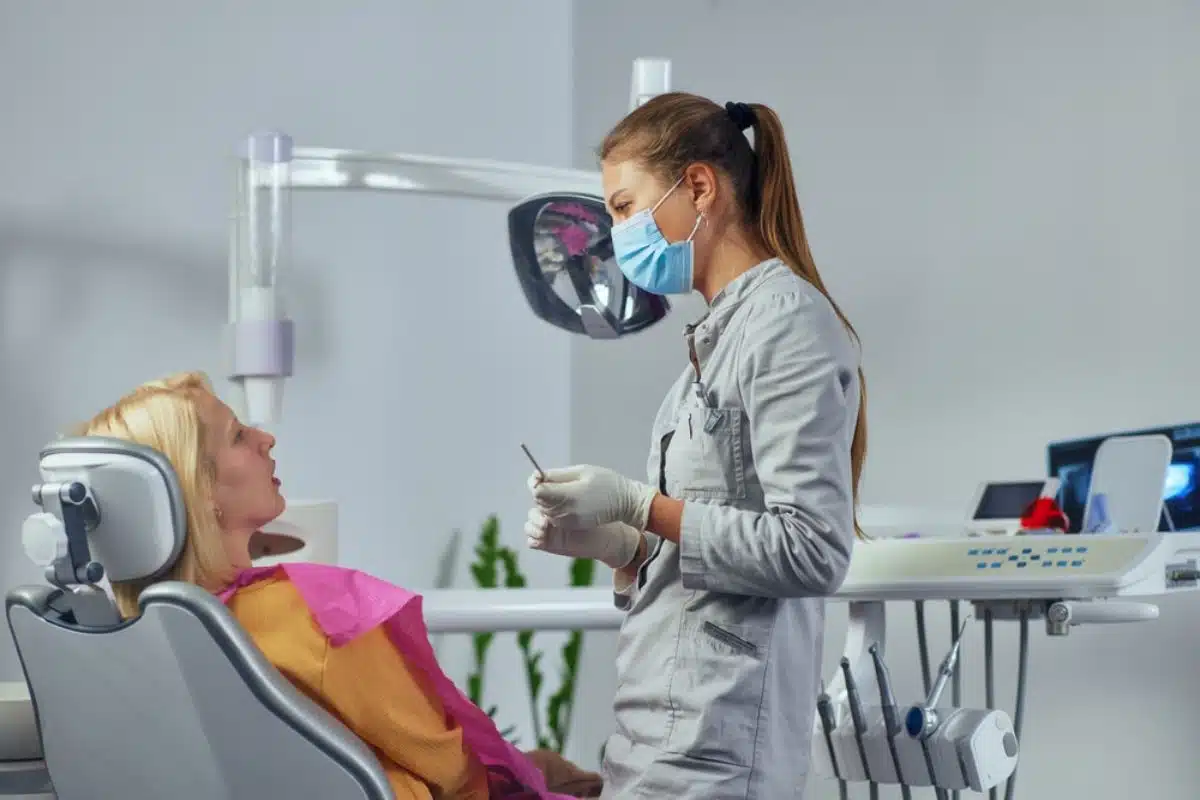
Waking up with a sore jaw or a dull headache? You’re not alone. Millions of Americans grind their teeth while they sleep—often without even realizing it. This habit, known as bruxism, might seem harmless at first, but over time, it can seriously damage your teeth, jaw, and overall oral health.If you’re dealing with nighttime grinding, it’s time to talk to a dentist in Syracuse. They can help protect your smile before the damage becomes permanent.
Why Do We Grind Our Teeth?
Stress is one of the top triggers for teeth grinding. According to the American Dental Association, bruxism is more common in people who are dealing with anxiety, sleep disorders, or high-stress jobs. But that’s not the only reason. Other causes can include:
- Misaligned teeth or bite problems
- Missing or crooked teeth
- Caffeine or alcohol use before bed
- Certain medications or neurological conditions
No matter the cause, grinding your teeth is something your Syracuse dentist takes seriously—and for good reason.
What Are the Signs You’re Grinding Your Teeth?
Many people don’t know they’re grinding their teeth until their dentist points it out. But there are a few signs to watch for:
- Flat, worn, or chipped teeth
- Jaw pain or tightness
- Frequent headaches, especially in the morning
- Tooth sensitivity
- Disrupted sleep
If these symptoms sound familiar, it’s worth having a conversation with your dentist.
What Can a Dentist in Syracuse Do to Help?
Once your dentist in Syracuse identifies signs of grinding, they’ll likely recommend a custom night guard. Unlike the bulky store-bought versions, custom guards are molded to fit your bite precisely. They’re comfortable, effective, and help absorb the pressure caused by grinding.
Night guards are just the beginning. Your dentist may also:
- Evaluate your bite alignment
- Recommend stress management techniques
- Suggest lifestyle changes (like reducing caffeine or alcohol intake)
- Refer you to a sleep specialist if necessary
If bruxism has already caused damage to your teeth, cosmetic dentistry solutions—such as veneers, crowns, or bonding—can restore your smile. The good news? These treatments don’t just fix the appearance of your teeth; they also improve functionality and prevent future wear.
Data Doesn’t Lie: Bruxism in the U.S.
Let’s talk numbers. According to a study by the Journal of Clinical Sleep Medicine, about 8% of adults in the U.S. grind their teeth at night. Post-pandemic stress and remote work have made the problem even more common. Dentists nationwide have reported a 60% increase in cases of cracked or worn-down teeth since 2020. Syracuse residents aren’t exempt—local dentists are seeing the same uptick.
Ignoring the problem won’t make it go away. Without treatment, grinding can lead to serious issues like:
- Tooth fractures and breakage
- TMJ disorders
- Chronic headaches
- Tooth loss
- Expensive dental repairs
Addressing the problem early not only protects your oral health but can also save you money down the line.
Read More: Brushing and Flossing But Still Getting Cavities? Here’s What Your Dentist Wants You to Know
Why Choose a Syracuse Dentist?
When it comes to protecting your smile, working with a local expert makes all the difference. A Syracuse dentist understands the unique stressors and lifestyles of the community, and they’re here to help you find relief in a way that fits your needs.
Whether you’re new to the area or looking for a change, it’s important to find a provider who specializes in preventive care and cosmetic dentistry. A comprehensive approach ensures both your health and confidence stay intact.
Take the First Step Toward a Healthier Smile
If you think you’re grinding your teeth at night—or even if you’re not sure—it’s worth checking in with a trusted dentist in Syracuse. Early intervention can protect your teeth, reduce pain, and improve your sleep quality.
Ready to find out what’s really going on with your smile? The American Dental Association has helpful information on bruxism and oral health here.
Schedule an Appointment today and start waking up without the jaw pain and headaches. Your smile deserves the care—and so do you.