
Single Tooth Dental Implant: Beyond Aesthetics

May 19, 2023
Featured image for “Single Tooth Dental Implant: Beyond Aesthetics”

Are you missing a tooth and feeling self-conscious about it? Or perhaps you’re having difficulty chewing or speaking properly because of that gap in your mouth. A single-tooth dental implant might be the solution for you! But did you know that there are benefits beyond just improving your smile? In this blog post, we’ll explore everything you need to know about single-tooth dental implants and how they can benefit more than just your aesthetics. So let’s dive in!

What is a Single Tooth Dental Implant?

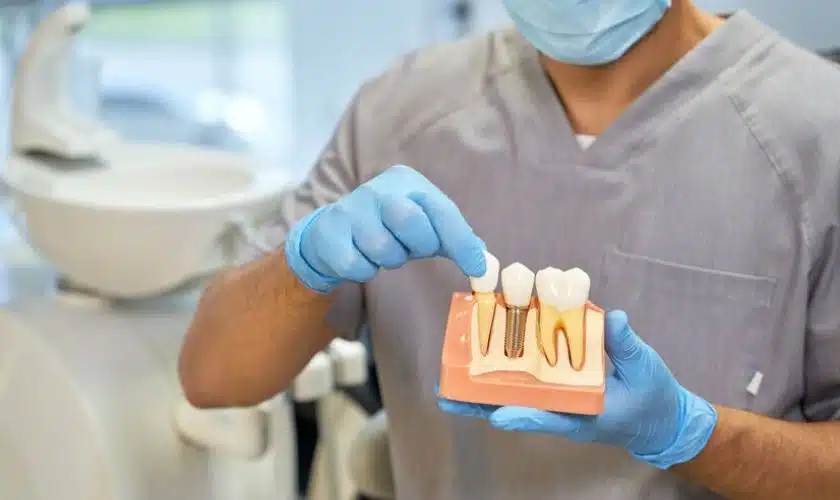
A single-tooth dental implant is a popular cosmetic dentistry procedure that replaces a missing or damaged tooth with an artificial one. The implant consists of three parts: the titanium post, abutment, and crown. The titanium post acts as the root of the tooth that is surgically placed in your jawbone.

The abutment connects the post to the crown, which sits on top and looks like your natural teeth. This process ensures stability and strength while also blending seamlessly with your existing teeth.

Unlike traditional bridges or dentures, single-tooth implants are permanent solutions for patients who have lost their teeth due to injury, decay, or other reasons. They can last for many years without requiring replacement if taken care of properly.

Patients need sufficient bone density in their jawline to support dental implants. If there isn’t enough bone available after evaluation by 3D X-rays/CT scans; additional procedures may be needed, such as bone grafting, before placing implants.

A single dental implant provides patients with a durable solution beyond aesthetics that helps them regain confidence when smiling or talking without worrying about embarrassing gaps in their smile.

Types of Single-Tooth Dental Implants

When it comes to single-tooth dental implants, there are two main types: endosteal and subperiosteal. Endosteal implants are placed directly into the jawbone and are the most commonly used type of implant. Subperiosteal implants, on the other hand, sit on top of the jawbone but underneath the gum tissue.

Endosteal implants can be further divided into screw-type and cylinder-type. Screw-type implants feature a threaded post that is screwed directly into the jawbone, while cylinder-type implants have a smooth surface that allows the bone to grow around it for stability.

Subperiosteal implants come in various designs, such as lamellar or plate forms, depending on individual needs. They are typically used when there isn’t enough healthy bone structure left in the mouth to support traditional endosteal implants.

The choice between these two types depends heavily on factors like bone density, health history, and budget. Your dentist will work closely with you during the consultation to determine which option is best suited for your specific needs.

Benefits of single tooth implants beyond aesthetics

Single-tooth dental implants offer more than just an aesthetic improvement. Implants are a long-term solution that provides several benefits compared to other implant restoration options.

Firstly, single-tooth implants enhance the overall functionality of your mouth. Unlike dentures or bridges, they don’t shift around and slip out of place while eating or speaking. This allows for better chewing ability and confidence when talking in public.

Secondly, dental implants promote bone growth by fusing with the jawbone over time. This process improves bone density and strength, which can prevent future oral health issues such as gum disease and decay.

Thirdly, dental implants require minimal maintenance and care once fully healed. They do not need any special cleaning solutions or adhesives like dentures do. Patients only have to continue practicing good oral hygiene habits such as brushing twice a day and flossing regularly.

Single-tooth implants provide patients with a permanent solution for their missing teeth instead of relying on temporary fixes that may need replacing after several years.

There are many benefits to getting a single tooth implant beyond just improving aesthetics; they improve the overall functionality of your mouth, promote bone growth, require minimal maintenance, and provide patients with a permanent solution for their missing teeth.

After the Surgery: Postoperative Care

After undergoing single-tooth dental implant surgery, it is essential to take proper care of your oral health during the postoperative period. This will ensure that the implant heals correctly and properly fuses with your jawbone.

During the first few days after surgery, you may feel some discomfort and swelling in the area around the implant site. It’s important to follow any medication instructions given by your dentist to manage this pain effectively.

You should also avoid smoking or using tobacco products, as they can slow down the healing process and increase your chance of developing an infection at the implant site.

It’s recommended to stick with softer foods for a few days after surgery since hard or crunchy foods can cause unnecessary pressure on the implant site. You should also avoid drinking alcohol, carbonated beverages, or using straws, as this could dislodge any blood clots forming around your new dental implant.

Your dentist will provide specific instructions on how to clean and maintain good oral hygiene during recovery. It’s crucial that you follow these guidelines closely for optimal results.

By taking the necessary precautions and following through with proper postoperative care, you’ll be able to enjoy all of the benefits of having a single-tooth dental implant beyond aesthetics!

Summary

To sum up, single-tooth dental implants are a safe and effective option for those who want to restore their smile. They offer numerous benefits beyond aesthetics, such as improved oral health, better chewing function, and bone preservation.

It’s important to note that the success of a dental implant largely depends on the patient’s commitment to proper oral hygiene and regular check-ups with their dentist. With proper care, a single tooth implant can last for many years or even a lifetime.

If you’re considering getting a single-tooth dental implant, talk to your dentist about whether it’s the right option for you. With advanced technology and experienced professionals in the field of dentistry, restoring your smile has never been easier!


Share:
May 19, 2023

Are you missing a tooth and feeling self-conscious about it? Or perhaps you’re having difficulty chewing or speaking properly because of that gap in your mouth. A single-tooth dental implant might be the solution for you! But did you know that there are benefits beyond just improving your smile? In this blog post, we’ll explore everything you need to know about single-tooth dental implants and how they can benefit more than just your aesthetics. So let’s dive in!

What is a Single Tooth Dental Implant?

A single-tooth dental implant is a popular cosmetic dentistry procedure that replaces a missing or damaged tooth with an artificial one. The implant consists of three parts: the titanium post, abutment, and crown. The titanium post acts as the root of the tooth that is surgically placed in your jawbone.

The abutment connects the post to the crown, which sits on top and looks like your natural teeth. This process ensures stability and strength while also blending seamlessly with your existing teeth.

Unlike traditional bridges or dentures, single-tooth implants are permanent solutions for patients who have lost their teeth due to injury, decay, or other reasons. They can last for many years without requiring replacement if taken care of properly.

Patients need sufficient bone density in their jawline to support dental implants. If there isn’t enough bone available after evaluation by 3D X-rays/CT scans; additional procedures may be needed, such as bone grafting, before placing implants.

A single dental implant provides patients with a durable solution beyond aesthetics that helps them regain confidence when smiling or talking without worrying about embarrassing gaps in their smile.

Types of Single-Tooth Dental Implants

When it comes to single-tooth dental implants, there are two main types: endosteal and subperiosteal. Endosteal implants are placed directly into the jawbone and are the most commonly used type of implant. Subperiosteal implants, on the other hand, sit on top of the jawbone but underneath the gum tissue.

Endosteal implants can be further divided into screw-type and cylinder-type. Screw-type implants feature a threaded post that is screwed directly into the jawbone, while cylinder-type implants have a smooth surface that allows the bone to grow around it for stability.

Subperiosteal implants come in various designs, such as lamellar or plate forms, depending on individual needs. They are typically used when there isn’t enough healthy bone structure left in the mouth to support traditional endosteal implants.

The choice between these two types depends heavily on factors like bone density, health history, and budget. Your dentist will work closely with you during the consultation to determine which option is best suited for your specific needs.

Benefits of single tooth implants beyond aesthetics

Single-tooth dental implants offer more than just an aesthetic improvement. Implants are a long-term solution that provides several benefits compared to other implant restoration options.

Firstly, single-tooth implants enhance the overall functionality of your mouth. Unlike dentures or bridges, they don’t shift around and slip out of place while eating or speaking. This allows for better chewing ability and confidence when talking in public.

Secondly, dental implants promote bone growth by fusing with the jawbone over time. This process improves bone density and strength, which can prevent future oral health issues such as gum disease and decay.

Thirdly, dental implants require minimal maintenance and care once fully healed. They do not need any special cleaning solutions or adhesives like dentures do. Patients only have to continue practicing good oral hygiene habits such as brushing twice a day and flossing regularly.

Single-tooth implants provide patients with a permanent solution for their missing teeth instead of relying on temporary fixes that may need replacing after several years.

There are many benefits to getting a single tooth implant beyond just improving aesthetics; they improve the overall functionality of your mouth, promote bone growth, require minimal maintenance, and provide patients with a permanent solution for their missing teeth.

After the Surgery: Postoperative Care

After undergoing single-tooth dental implant surgery, it is essential to take proper care of your oral health during the postoperative period. This will ensure that the implant heals correctly and properly fuses with your jawbone.

During the first few days after surgery, you may feel some discomfort and swelling in the area around the implant site. It’s important to follow any medication instructions given by your dentist to manage this pain effectively.

You should also avoid smoking or using tobacco products, as they can slow down the healing process and increase your chance of developing an infection at the implant site.

It’s recommended to stick with softer foods for a few days after surgery since hard or crunchy foods can cause unnecessary pressure on the implant site. You should also avoid drinking alcohol, carbonated beverages, or using straws, as this could dislodge any blood clots forming around your new dental implant.

Your dentist will provide specific instructions on how to clean and maintain good oral hygiene during recovery. It’s crucial that you follow these guidelines closely for optimal results.

By taking the necessary precautions and following through with proper postoperative care, you’ll be able to enjoy all of the benefits of having a single-tooth dental implant beyond aesthetics!

Summary

To sum up, single-tooth dental implants are a safe and effective option for those who want to restore their smile. They offer numerous benefits beyond aesthetics, such as improved oral health, better chewing function, and bone preservation.

It’s important to note that the success of a dental implant largely depends on the patient’s commitment to proper oral hygiene and regular check-ups with their dentist. With proper care, a single tooth implant can last for many years or even a lifetime.

If you’re considering getting a single-tooth dental implant, talk to your dentist about whether it’s the right option for you. With advanced technology and experienced professionals in the field of dentistry, restoring your smile has never been easier!


Share: