
What Are the 9 Different Types of Dentures?

June 18, 2024
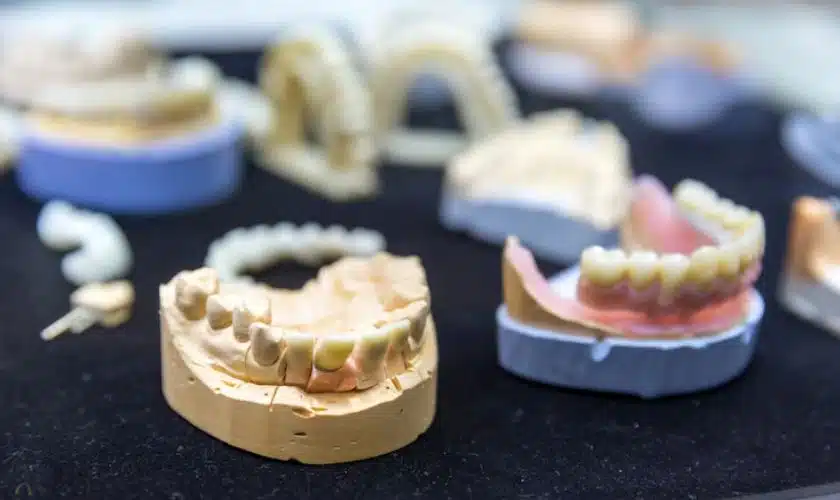
Featured image for “What Are the 9 Different Types of Dentures?”

In the field of cosmetic dentistry, dentures play a crucial role in restoring smiles and improving oral health. Understanding the different types of dentures available is essential for both patients and professionals alike. This blog will explore the nine different types of dentures, highlighting their unique characteristics and benefits.

1. Complete Dentures

Complete dentures are the most well-known type and are used when all teeth are missing. They are designed to fit snugly over the gums and are typically made of acrylic. Complete dentures not only restore the aesthetics of a smile but also aid in chewing and speaking properly.

2. Immediate Dentures

Immediate dentures are similar to complete dentures but are placed immediately after the removal of natural teeth. They serve as a temporary solution while the gums heal and are then adjusted or replaced with permanent dentures once healing is complete.

3. Partial Dentures

Partial dentures are used when only a few teeth are missing, and the remaining natural teeth are healthy. They are often made of a combination of metal and acrylic and are attached to the natural teeth with clasps.

4. Flexible Dentures

Flexible dentures are made of a thinner, more flexible material than traditional acrylic. They provide a more comfortable fit and are less likely to cause sore spots on the gums. Flexible dentures are an excellent option for patients who cannot tolerate traditional dentures.

5. Implant-Supported Dentures

Implant-supported dentures are secured in place by dental implants rather than resting on the gums. This type of denture offers greater stability and prevents bone loss in the jaw. Implant-supported dentures can be removable or fixed, depending on the patient’s needs.

6. Snap-In Dentures

Snap-in dentures, also known as overdentures, are removable dentures that are attached to dental implants with the help of metal attachments or “snaps”. This connection provides more stability compared to traditional removable dentures.

7. All-on-4 Dentures

All-on-4 dentures are a type of implant-supported denture that uses just four dental implants to support an entire arch of teeth. This minimally invasive procedure reduces the need for bone grafting and provides a fixed, natural-looking smile.

8. Custom Dentures

Custom dentures are individually designed to fit a patient’s mouth perfectly. They are crafted based on detailed impressions of the patient’s gums and are tailored to their specific needs and preferences.

9. Cosmetic Dentures

Cosmetic dentures are designed with a strong emphasis on aesthetics, closely mimicking the appearance of natural teeth. They are made from high-quality materials and are carefully shaded and shaped to match the patient’s facial features.

Benefits of Dentures

Dentures offer several benefits beyond restoring a smile:

1. Improved Chewing and Speech: Dentures restore the ability to chew and speak properly.

2. Prevention of Bone Loss: Implant-supported dentures can prevent bone loss in the jaw.

3. Enhanced Appearance: Dentures improve facial appearance and restore a youthful look.

4. Boost in Confidence: Patients regain confidence in social interactions and daily activities.

In conclusion, dentures are a versatile and effective solution in cosmetic dentistry for restoring smiles and improving oral health. Understanding the different types of dentures available, from complete and partial dentures to implant-supported and cosmetic dentures, is essential for both patients and dental professionals. By choosing the right type of dentures and practicing proper care, patients can enjoy the benefits of a natural-looking smile and improved quality of life. For personalized advice, it’s always best to consult with a qualified dentist who can recommend the most suitable type of dentures based on individual needs and preferences.


Share:
June 18, 2024

In the field of cosmetic dentistry, dentures play a crucial role in restoring smiles and improving oral health. Understanding the different types of dentures available is essential for both patients and professionals alike. This blog will explore the nine different types of dentures, highlighting their unique characteristics and benefits.

1. Complete Dentures

Complete dentures are the most well-known type and are used when all teeth are missing. They are designed to fit snugly over the gums and are typically made of acrylic. Complete dentures not only restore the aesthetics of a smile but also aid in chewing and speaking properly.

2. Immediate Dentures

Immediate dentures are similar to complete dentures but are placed immediately after the removal of natural teeth. They serve as a temporary solution while the gums heal and are then adjusted or replaced with permanent dentures once healing is complete.

3. Partial Dentures

Partial dentures are used when only a few teeth are missing, and the remaining natural teeth are healthy. They are often made of a combination of metal and acrylic and are attached to the natural teeth with clasps.

4. Flexible Dentures

Flexible dentures are made of a thinner, more flexible material than traditional acrylic. They provide a more comfortable fit and are less likely to cause sore spots on the gums. Flexible dentures are an excellent option for patients who cannot tolerate traditional dentures.

5. Implant-Supported Dentures

Implant-supported dentures are secured in place by dental implants rather than resting on the gums. This type of denture offers greater stability and prevents bone loss in the jaw. Implant-supported dentures can be removable or fixed, depending on the patient’s needs.

6. Snap-In Dentures

Snap-in dentures, also known as overdentures, are removable dentures that are attached to dental implants with the help of metal attachments or “snaps”. This connection provides more stability compared to traditional removable dentures.

7. All-on-4 Dentures

All-on-4 dentures are a type of implant-supported denture that uses just four dental implants to support an entire arch of teeth. This minimally invasive procedure reduces the need for bone grafting and provides a fixed, natural-looking smile.

8. Custom Dentures

Custom dentures are individually designed to fit a patient’s mouth perfectly. They are crafted based on detailed impressions of the patient’s gums and are tailored to their specific needs and preferences.

9. Cosmetic Dentures

Cosmetic dentures are designed with a strong emphasis on aesthetics, closely mimicking the appearance of natural teeth. They are made from high-quality materials and are carefully shaded and shaped to match the patient’s facial features.

Benefits of Dentures

Dentures offer several benefits beyond restoring a smile:

1. Improved Chewing and Speech: Dentures restore the ability to chew and speak properly.

2. Prevention of Bone Loss: Implant-supported dentures can prevent bone loss in the jaw.

3. Enhanced Appearance: Dentures improve facial appearance and restore a youthful look.

4. Boost in Confidence: Patients regain confidence in social interactions and daily activities.

In conclusion, dentures are a versatile and effective solution in cosmetic dentistry for restoring smiles and improving oral health. Understanding the different types of dentures available, from complete and partial dentures to implant-supported and cosmetic dentures, is essential for both patients and dental professionals. By choosing the right type of dentures and practicing proper care, patients can enjoy the benefits of a natural-looking smile and improved quality of life. For personalized advice, it’s always best to consult with a qualified dentist who can recommend the most suitable type of dentures based on individual needs and preferences.


Share: